
Protected: Contingent Landscapes



Attuning Reactive Architectural Materials through Biofeedback

Carnegie Mellon University School of Architecture
Project Type: Design Research
Year: 2017-Current
Related Links: CAADRIA’18, NEA Grant Application’18, W.M. Keck Foundation Concept Letter, Carnegie Bosch Institute’18, CFA Fund for Research and Creativity ’18, Gruger Fund’17
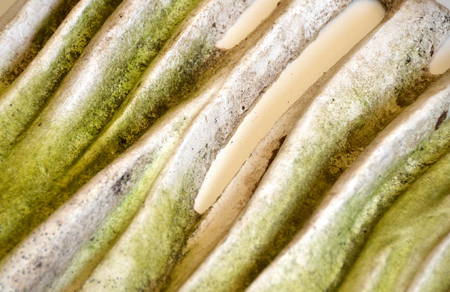
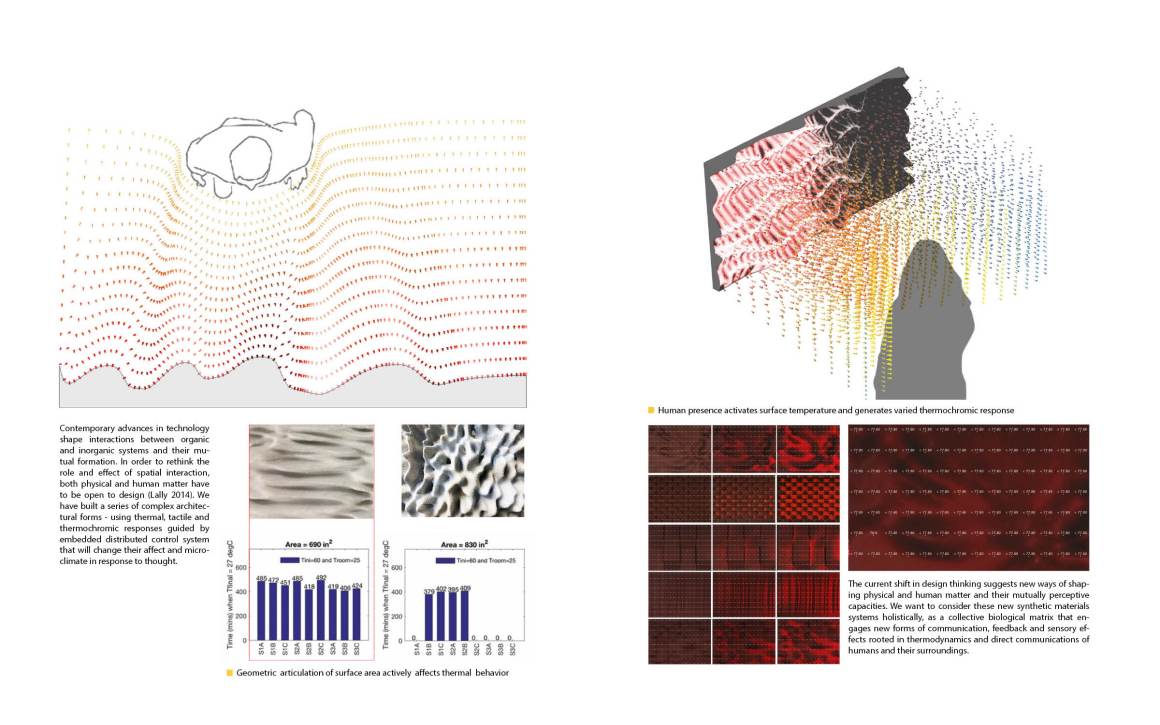
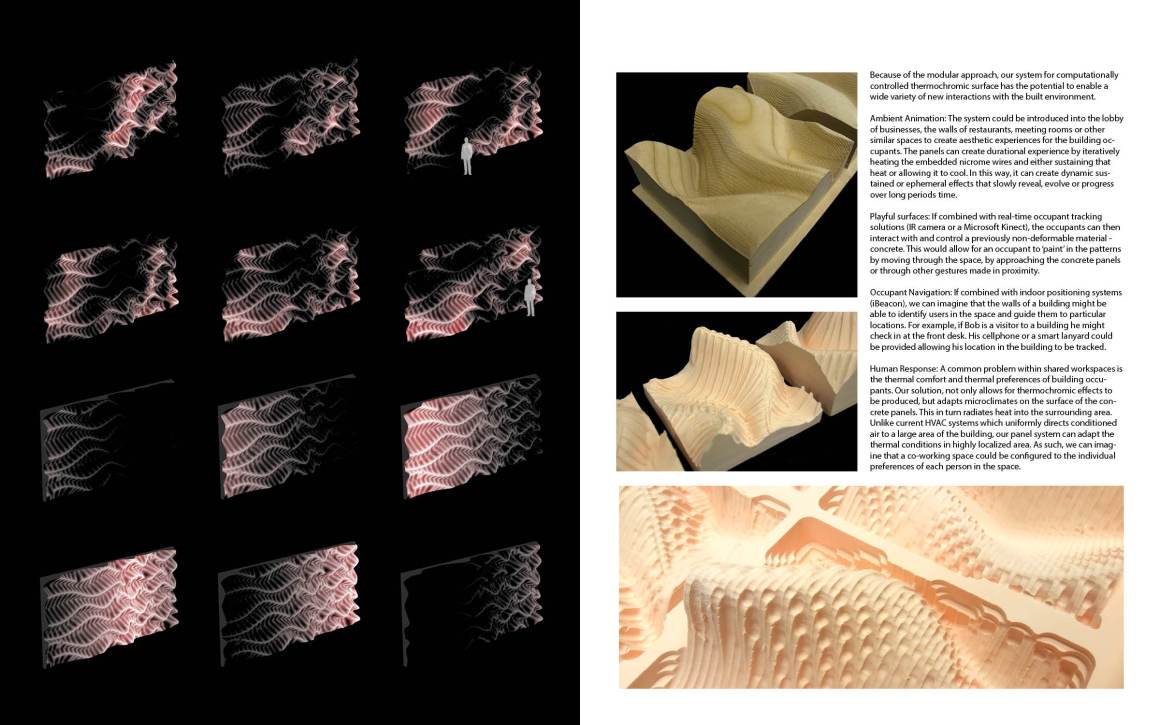
Historically, architectural design focused on adaptation of built environment to serve human needs. Recently embedded computation and digital fabrication have advanced means to actuate physical infrastructure in real-time. These ‘reactive spaces’ have typically explored movement and media as a means to achieve reactivity and physical deformation. Sentient Thermochromics is a research project that finds new mechanisms for permanent and non-deformable everyday materials and environments using thermal, tactile and thermochromic responses actuated biometrically and controlled by embedded networked system. The intention is to create individualized pathways to thermally actuate building surfaces and enable individualized thermal comfort while exploring expressive methods to respond to interactions between the environment and human occupants. Moving away from engineering paradigm of averaged thermal comfort, this project illustrates new interactive scenarios and new forms of reactivity within the built environment. We are developing new forms of em-bedded material reactivity and biometric responsiveness of architectural surfaces that effect relationships between individual thermal comfort and energy usage. The ambition of this research project is to create new forms of communication between the human perception and the built environment. This project combines passive and active systems with a focus on relationships between temperature, emotiveness and human health. sensing human biometrics, as well as link the visual effects on the surface to an emotive human response. The goal is to provide individualized dynamic thermoregulation by locally activating the surface temperature in buildings while sensing human biometrics, as well as link the visual effects on the surface to an emotive human response.
| PI: Dana Cupkova | co-PI: Daragh Byrne | Contributor: Dan Cascaval | Project Funded by: Carnegie Mellon University College of Fine Arts Research and Creativity Grant 2017 & 2018; Margaret Gruger Faculty Fund 2017 & 2018 |


Related Works: NEA Grant 2018

University of Minnesota School of Architecture | College of Design
Workshop March 2017
Faculty Host: Marc Swackhamer | Associate Professor & Head of School
Guest Instructor: Dana Cupkova
Related Links: Contingent Scapes @ UMN ARCH, Catalyst 2017
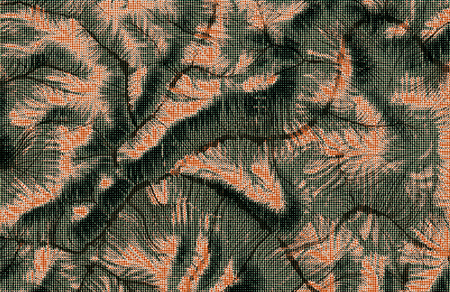
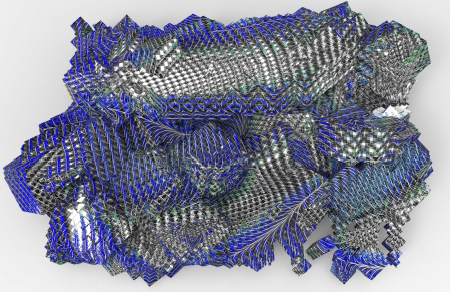
Contemporary building practice tends to describe architecture as objects situated in the spatial and cultural field. The ecology posits that all entities are bound together by the thermodynamic relationship of energy and information exchange: ecosystem. This workshop aims to investigate the effects of water behavior within a bio-synergetic context on the shaping of architectural constructs. As water becomes more central to the current state of urban design it is critical to re-frame its force as directly formative within the design process. Using simulation of environmental data sets related to landscape formation and water flow, we will use computational modeling and analog 3d printing to investigate new emergent architectural forms within given landscapes. The workshop will forefront bio-technological framework of architecture and will ask students to negotiate differences between organic and inorganic, formal and performative, cultural and ecological, zones and boundaries, solids and gradients, proximities and tendencies, objects and fields. Using abstraction as a codifier of geo-spatial data sets we will attempt to re-scribe the invisible forces into formed constructs, with hope to shift the focus of design away from singular contextual ‘truth’ of data, towards the constraints of perception and spatial aesthetics.
| STUDENTS: Trevor Isaacson, Tony Rabiola, Virginia Tyson, Matthew Savage, Nathaniel Tollefson |


 Dana Cupkova